What is ASTM f2063
What is ASTM f2063?
ASTM f2063 is an American Society for Testing and Materials (ASTM) specification for nickel-titanium shape memory alloy intended for use in medical and dental applications.
What is ASTM F 2063 05?
ASTM F 2063 05 refers to the ASTM specification for nickel-titanium shape memory alloy used in medical and dental applications. The specification outlines the requirements for the chemical composition, mechanical properties, dimensions, and tolerances of nickel-titanium alloy products used in surgical implants and medical devices.
What is nickel-titanium alloy?
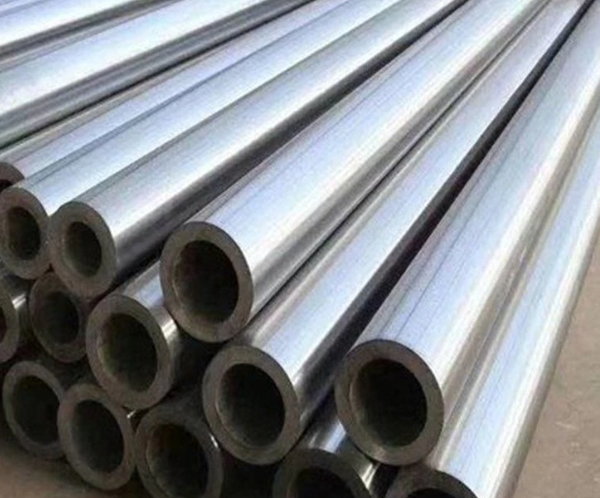
Nickel-titanium alloy, often referred to as Nitinol, is a revolutionary material used widely in the medical industry due to its unique shape memory and superelastic properties. Nitinol is a blend of nickel and titanium, possessing the benefits of both metals. This alloy is characterized by its remarkable flexibility, shape memory, and fatigue resistance, which make it an ideal material for medical and dental implants.
What is the difference between pure titanium and titanium alloy?
Unadulterated titanium is a metal that contains just titanium components with no different metals blended in. Titanium alloys, on the other hand, are made by combining it with other metals like nickel, aluminum, vanadium, molybdenum, or iron to improve its mechanical and chemical properties. Titanium amalgams are more grounded, more bendable, and more impervious to consumption than unadulterated titanium.

What are the different types of nickel-titanium alloy?
Nitinol, a binary alloy made of nickel and titanium, and Tinel, a ternary alloy made of nickel, titanium, and hydrogen, are the two kinds of nickel-titanium alloys that are used the most frequently. Each alloy is designed for a specific application and has varying properties such as shape memory, superelasticity, and corrosion resistance.
What is the difference between stainless steel and nickel-titanium?
Stainless steel and nickel-titanium (Nitinol) are two popular materials used in the medical industry. Stainless steel is a metal alloy composed of iron, chromium, and carbon, while Nitinol is a combination of nickel and titanium. Compared to stainless steel, Nitinol exhibits unique characteristics such as shape memory, superelasticity, and biocompatibility, making it suitable for use in medical implants and devices.

What is nickel-titanium called?
Nickel-titanium is commonly referred to as Nitinol. The name Nitinol is an acronym derived from the two metals in the alloy - “Ni” for nickel and “Ti” for titanium, and “NOL” referring to the Naval Ordinance Laboratory, where the alloy was first developed.
In conclusion, nickel-titanium alloys have revolutionized the medical industry due to their unique properties, such as shape memory and superelasticity. The ASTM f2063 standard ensures that nickel-titanium products are manufactured and tested to the appropriate quality and safety standards.
References:
1. ASTM F2063-19. Standard Specification for Wrought Nickel-Titanium Shape Memory Alloy for Medical Devices and Surgical Implants. ASTM International.
2. Munir Aziz et al. Nitinol: Properties, Manufacturing and Applications. International Journal of Engineering Research and Development. 2020.
3. Vijay A. Deshpande et al. Nickel-titanium alloys in dentistry. Journal of International Oral Health. 2013.