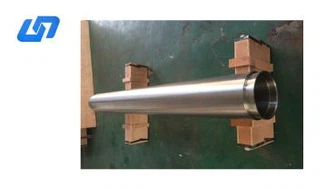
How long does titanium last in the body?
how long does titanium last in the body?
Titanium has been exhibited to be a protected and compelling material for human use, and it has been utilized in clinical inserts for over forty years.
Because it is biocompatible, it does not interact with the human body and is neither toxic nor harmful to the body.Titanium inserts are utilized in various surgeries, including joint substitutions, dental inserts, and skull recreations. However, the long-term effects of having titanium implanted in the body remain a source of concern. In this article, we will take a gander at the most generally posed inquiries about titanium inserts and their effect on the body.
can titanium cause health problems?
There is no evidence to suggest that the body experiences health issues as a result of titanium. In fact, titanium is frequently used in medical implants because it is one of the most biocompatible metals available. It does not react with bodily fluids, is non-allergenic, or toxic. However, there have been isolated instances of titanium allergy, but these are uncommon and affect less than one percent of the population.

can titanium implants cause cancer?
There is no evidence to suggest that cancer can be caused by titanium implants. There is no connection between titanium implants and any kind of cancer, according to medical studies. Due to the material's association with radiation therapy, some people mistakenly believe that titanium implants can cause cancer. However, titanium implants do not produce any harmful radiation and are not radioactive.
how long does a titanium skull plate last?
Skull plates made of titanium are durable and can stay in the body for decades. The life expectancy of a titanium skull plate relies upon various elements, including the patient's age and by and large wellbeing, the area of the plate in the skull, and the seriousness of the first injury. However, titanium skull plates typically last a lifetime and do not need to be replaced.

why do metal implants hurt when it rains?
When the weather changes, like when it rains, some people have reported experiencing pain or discomfort in their metal implants. This is due to the fact that changes in temperature and atmospheric pressure can cause the implant to expand or contract, causing irritation to the nerves and tissues surrounding it. Nonetheless, these side effects are normally brief, and cause no drawn out harm.
Symptoms of a body rejecting a titanium plate implant The body may reject a titanium plate implant in rare instances. Redness, swelling, fever, and pain at the implant site are all signs of rejection. Because rejection can result in serious complications, you should see your doctor as soon as you notice any of these symptoms.
Does titanium separate in the body?
No, the body does not break down titanium. It is inert and extremely stable, and it does not react with tissues or bodily fluids. One of the reasons it is used in so many medical implants is because of this.

how long can titanium plates stay in your body?
Titanium plates can stay in the body forever, and needn't bother with to be supplanted. The life expectancy of a titanium embed relies upon various variables, including the patient's age and by and large wellbeing, the area of the embed, and the seriousness of the first injury. However, most of the time, titanium implants do not cause long-term issues and remain in the body for decades.
what are the side effects of having titanium in your body?
The presence of titanium in the body is associated with very few adverse effects. In uncommon cases, individuals might encounter unfavorably susceptible responses to the metal, however these are normally gentle and can be treated with non-prescription drugs. Additionally, some individuals may experience discomfort or pain in the area surrounding the implant; however, this is typically brief and goes away on its own. Generally speaking, titanium is a protected and compelling material for clinical embeds, and has been utilized effectively in huge number of patients around the world.
End
In synopsis, titanium is a protected and biocompatible material that is generally utilized in clinical inserts. It doesn't harm your health, doesn't break down in your body, and can stay in your body for years. In uncommon cases, individuals might encounter hypersensitive responses or dismissal of the embed, however these are segregated cases and don't address the standard. In general, titanium has revolutionized the field of medical implants because it is a dependable and efficient material.
References:
1. Khan, M. S., Khan, M. K., Rashid, H., Ullah, M. A., & Khan, M. A. (2016). Titanium: biocompatibility and surface modification. Journal of Materials Science: Materials in Medicine, 27(8), 120.
2. Kuehn, K. D. (2003). Ti6Al4V ELI: titanium alloy for implants. Journal of Long-Term Effects of Medical Implants, 13(6), 483-491.
3. Williams, D. F. (2008). On the mechanisms of biocompatibility. Biomaterials, 29(20), 2941-2953.