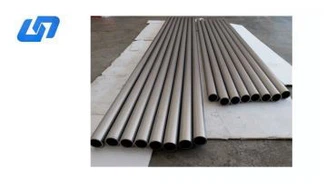
Titanium cathode for electrolysis
Titanium is often used as a cathode material in electrolysis due to its excellent corrosion resistance and stability in various electrolytic environments. It's particularly advantageous for processes where the cathode needs to withstand harsh conditions, such as in electroplating, production of chlorine and alkalis, and certain chemical syntheses.
When used as a cathode in electrolysis:
Corrosion Resistance: Titanium's resistance to corrosion makes it ideal for use in environments where other metals might degrade or react with the electrolyte.
Stability: Titanium maintains its structural integrity and does not easily degrade or contaminate the electrolyte, ensuring a consistent process over time.
Conductivity: While not as conductive as some other metals, titanium still possesses sufficient conductivity to facilitate the necessary electron transfer during the electrolytic process.
Durability: Titanium's durability allows for extended use in harsh conditions without significant degradation.
Non-reactivity: Titanium does not react with many substances, preventing unwanted reactions or contamination of the electrolyte.
In various electrolytic processes, the choice of cathode material depends on factors like the specific electrolyte used, the electrical properties required, and the conditions within the electrolytic cell. Titanium's characteristics make it a valuable choice for cathodes in many of these scenarios.