


Titanium Condenser
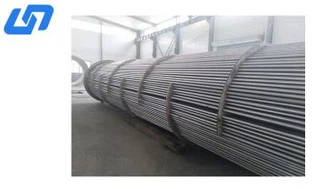
Titanium condenser, Titanium tube in coil for condensor
Titanium tube:OD12.7--OD89mm
Wall thickness:0.6mm-2mm
Application: seawater heat transfer, Chemical, petroleum, metallurgy, power generation, desalination, Chlor-alkali, salt production
Product Introduction
Product Description
A titanium condenser is a heat exchange device designed to transfer heat between fluids through a heat transfer surface, typically using titanium tubes. Titanium is widely used in condenser applications where corrosion resistance, low material weight, and reliable long-term operation are important.
Titanium tubes offer excellent corrosion resistance in many environments, particularly in seawater and selected industrial process fluids. Their combination of corrosion resistance and mechanical strength makes them a suitable option for power plant condensers, industrial cooling systems, and other heat exchange equipment operating under demanding conditions.
Condenser performance depends on more than the tube material. Factors such as heat transfer area, fluid velocity, temperature difference, pressure drop, fouling tendency, and process fluid properties must also be considered during equipment design.
Titanium condensers can be designed for different heating and cooling duties according to the application requirements, operating conditions, and customer specifications.
Product Specifications
| Item | Tube Side | Shell Side |
|---|---|---|
| Material | Titanium Grade 2 (Gr. 2) / Grade 12 (Gr. 12) | Titanium Grade 2 / Stainless steel |
| Size | Tube outside diameter: 12.7–89 mm* | To be confirmed according to equipment design |
| Wall thickness | 0.6–2.0 mm* | 6–15 mm* |
| Length | Customized according to design requirements | Customized according to design requirements |
| Inspection | Pressure testing, leak testing, and applicable nondestructive testing | Inspection according to material and equipment requirements |
Please confirm the applicable diameter and wall-thickness ranges, as well as the material combinations, against the actual manufacturing specifications before publication.
Quality Control
Quality control is implemented throughout the manufacturing process to help ensure that the finished equipment meets the agreed technical specifications.
Key quality control activities may include:
Material verification: Checking material grades and relevant material certificates against purchase specifications.
Manufacturing control: Following approved drawings, process instructions, and production requirements.
Inspection and testing: Conducting applicable dimensional inspections, pressure tests, leak tests, and nondestructive examinations according to the equipment design and agreed inspection plan.
Nonconformance management: Investigating quality issues, identifying root causes, implementing corrective actions, and verifying their effectiveness.
Inspection methods and acceptance criteria are determined according to the applicable standards, equipment design, and customer requirements.
Application
In power plants, the condenser plays an important role in the steam cycle by condensing exhaust steam from the turbine and maintaining the required operating vacuum. Reliable condenser performance contributes to the efficiency and continuous operation of the plant.
Titanium tubes are used in power plant condensers, particularly where cooling water conditions present significant corrosion challenges.
Key Benefits
1. Corrosion resistance
Titanium offers excellent resistance to seawater corrosion and many chloride-containing environments. Under suitable operating conditions, titanium tubes can help reduce corrosion-related maintenance and tube replacement.
2. Operational reliability
Appropriately selected and designed titanium tubes can provide reliable service in demanding cooling-water applications. Tube performance depends on water quality, velocity, tube-sheet design, vibration control, and other operating factors.
3. Lifecycle cost considerations
Although titanium tubes may involve a higher initial material cost than some alternatives, their corrosion resistance can help reduce maintenance requirements and replacement frequency. A lifecycle cost assessment should consider the initial investment, operating conditions, maintenance costs, and expected service life.
Manufacturing
ASTM B338 is a relevant specification for seamless and welded titanium and titanium alloy tubes used in condensers and heat exchangers. Grade 2 titanium tubing is one option for suitable condenser applications.
Manufacturing and inspection requirements should be agreed according to the specified material grade, tube dimensions, applicable standard, and project requirements.
Hot Tags:
You Might Also Like




Send Inquiry
