Why does titanium change colour at different temperatures?
Introduction:
The peculiarity of titanium changing variety when warmed has spellbound researchers and specialists the same. From lively rainbow tints to unobtrusive shades of yellow and blue, the variety changes displayed by titanium are charming and outwardly engaging.
In this article, we will dig into the science behind these variety changes, investigating what temperature means for titanium, the components liable for the variety changes, and the justifications for why titanium shows such one of a kind and wonderful tones. As industry specialists with north of 20 years of involvement with the metal field, our organization joins information from metallurgy, materials science, and craftsmanship to give an exhaustive comprehension of this intriguing subject.
Why does titanium change colour when heated?
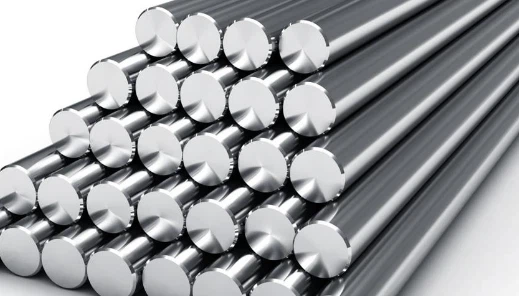
Titanium alloy is a metal known for its great intensity opposition. As temperature increments, titanium goes through physical and compound changes that influence its properties. At low temperatures, titanium stays stable and holds its metallic appearance. Be that as it may, as the temperature increases, titanium starts to communicate with its current circumstance, prompting charming variety changes on its surface.
How does temperature affect titanium?
While titanium itself doesn't artificially respond with temperature, it promptly responds with components in its environmental elements, particularly oxygen. At the point when titanium is warmed within the sight of oxygen, oxidation happens, bringing about the development of a slim oxide layer on the metal's surface. This oxide layer is answerable for the variety changes saw in warmed titanium.

Does titanium react with temperature?
The variety changes displayed by metals when warmed are principally because of the peculiarity of dainty film obstruction. At the point when a metal, for example, titanium, shapes an oxide layer on its surface, light waves collaborate with this layer, prompting helpful and horrendous obstruction. The obstruction makes specific frequencies of light be retained or reflected, bringing about various tones being seen by our eyes.
Why does titanium make rainbow colors?
The development of a thick oxide layer on the outer layer of titanium, known as anodization, is liable for the dynamic rainbow colors seen in warmed titanium. During anodization, controlled oxidation is performed to develop a layer of titanium dioxide, which goes about as an optical impedance film. This film slows down light waves, creating a variety of varieties relying upon the thickness of the oxide layer.
Why does titanium turn yellow?
At lower temperatures, titanium shows a yellow tone because of the development of a flimsy layer of titanium nitride on its surface. This layer is framed when titanium responds with nitrogen present in the general climate. The yellow tone is a consequence of the connection of light with the titanium nitride layer.
Why does titanium turn black?
In specific cases, titanium can become dark when warmed. This adjustment of variety is ascribed to a few variables, including the development of extra oxide layers, the presence of debasements, and the communication with different components. The particular circumstances and cycles associated with the darkening of titanium are areas of progressing research.
Conclusion:
The variety changes saw in titanium when warmed are an entrancing consequence of its connection with the general climate. Temperature impacts the arrangement of oxide layers, causing light obstruction and it being seen to bring about various varieties. From the dazzling rainbow shades of anodized titanium to the unobtrusive yellow and dark tints, each variety change in titanium recounts an account of its substance responses and actual changes. Understanding these systems not just gives experiences into the study of materials yet additionally opens up imaginative conceivable outcomes and modern applications. Further examination in this field will keep on revealing the complexities and capability of this amazing metal.
References:
Li, D., et al. ( 2019). Anodization of titanium: Valuable open doors and difficulties for biomedical applications. Current Assessment in Biomedical Designing.
Vasilescu, C., et al. ( 2011). Ghastly Ghostly reflectance colorimetry on anodized titanium. Diary of Applied Electrochemistry.
Thompson, G.E., et al. ( 1996). The arrangement and development of artistic coatings on metals by anodizing. Progress in Materials Science.
Lin, C.J., and Huang, H.H. (2006). Thickness-subordinate shade of a titanium film covered with a slim straightforward titania layer. Applied Optics.
Albu, C., et al. ( 2019). Metallic tones on titanium surfaces prompted by femtosecond laser finishing and specific scratching. ACS Applied Materials and Points of interaction.
ASTM Global. ( 2021). Standard Detail for Titanium and Titanium Amalgam Forgings. ASTM B381.
ASM Worldwide. ( 2002). ASM Handbook Volume 5: Surface Designing. ASM Worldwide.
Khorasani, A.M., et al. ( 2014). Impact of Intensity Therapy on Microstructural Changes and Mechanical Properties of an Alpha-beta Titanium Amalgam. Materials Science and Designing A.
US Branch of Safeguard. ( 1999). Metallic Materials and Components for Aviation Vehicle Designs, MIL-HDBK-5J.
Lütjering, G., and Williams, J.C. (2007). Titanium. Springer Science and Business Media.