

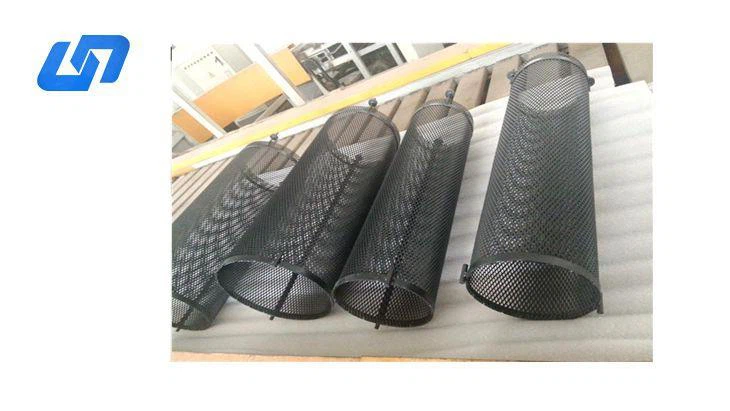
Titanium Mesh Anode for Wastewater Treatment
Applications: electroplating wastewater, coking wastewater, organic wastewater, ammonia nitrogen wastewater, printing and dyeing wastewater, garbage exudate, fecal wastewater, oily wastewater, wastewater containing, oilfield reinjection water, recycled metal wastewater, hospital wastewater, catering wastewater treatment, etc. New environmental protection technology-electrocatalytic electrolysis
Product Introduction
Wastewater treatment technologies include sedimentation, filtration, flocculation, biodegradation, and electrochemical oxidation. Among them, electrolysis is an efficient and environmentally friendly method. In this process, titanium anodes not only conduct current but also act as catalysts for the oxidation and degradation of pollutants without causing secondary pollution.
Titanium anodes are widely regarded as a "green water treatment technology." For wastewater that is difficult to treat by biological methods, electrochemical oxidation shows significant effectiveness. As a result, electrochemical water treatment has become a major research and industrial focus.
Working Principle of Electrochemical Treatment
Electrochemical wastewater treatment is based on pollutant removal through direct or indirect electrochemical reactions at the electrode surface.
(1) Direct Electrolysis
Direct electrolysis removes pollutants by oxidation or reduction directly on the electrode surface.
Anodic process: Organic pollutants are oxidized on the titanium anode surface into less toxic or biodegradable substances, ultimately mineralized into CO₂ and water.
Cathodic process: Pollutants are reduced on the cathode, mainly used for dehalogenation of organic compounds and recovery of heavy metals.
(2) Indirect Electrolysis
Indirect electrolysis uses electro-generated oxidizing or reducing agents to treat pollutants.
Reversible process: Redox mediators are continuously regenerated during electrolysis.
Irreversible process: Strong oxidants such as chlorine, hypochlorite, hydrogen peroxide, and ozone are generated in situ, which further oxidize organic pollutants.
Advantages of Electrolytic Water Treatment
No chemical addition required
Compact equipment and small footprint
No secondary pollution
High efficiency in removing organic contaminants such as hydrocarbons, alcohols, aldehydes, ethers, and phenols
Effective COD reduction through direct anodic oxidation
During operation, the anode potential must exceed the decomposition potential of organic compounds. Therefore, oxidation of organics and oxygen evolution reactions occur simultaneously on the anode surface.
Titanium Anode Types
Titanium anodes are available in various configurations, including:
Plate type
Tubular type
Mesh type
Different structures can be selected according to application requirements. The titanium substrate offers excellent corrosion resistance and can be reused, while MMO coatings provide long service life and stable electrochemical performance.
Hot Tags:
You Might Also Like




Send Inquiry
