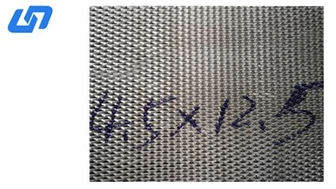
is stainless steel porous?
Introduction:
Stainless steel is a versatile material widely used in various industries due to its exceptional corrosion resistance, strength, and aesthetic appeal. However, there is often confusion surrounding the porosity of stainless steel. This article aims to provide a comprehensive understanding of porosity in metals, including stainless steel, dispelling misconceptions. We will delve into the concept of porosity, explore the porosity of stainless steel, discuss porosity in other metals, and determine whether steel is a porous metal.
Section 1: What is Porosity?
Porosity refers to the presence of void spaces or pores within a material. In industrial applications, porosity can have significant implications for the material's mechanical properties, integrity, and performance. Factors influencing porosity include manufacturing processes, alloy composition, temperature fluctuations during production, and pressure variations. Evaluating porosity is crucial for ensuring optimal material quality and functionality.
Section 2: Understanding Porosity in Stainless Steel
Stainless steel is an alloy primarily composed of iron, chromium, and other elements. The fabrication techniques used to manufacture stainless steel play a vital role in determining its porosity. It is essential to understand the different processes, such as casting, forging, or welding, and their influence on porosity. Common misconceptions regarding stainless steel's porosity arise from visual observations of surface irregularities or discoloration, which may not necessarily indicate true porosity.
Research studies and industry standards exist to assess the porosity of stainless steel accurately. These studies involve comprehensive examination techniques, including microscopic analysis, X-ray imaging, and pressure testing methods. They help establish acceptable levels of porosity and ensure that stainless steel meets the required industry standards.
Section 3: Is Stainless Steel Porous or Nonporous?
Contrary to popular belief, stainless steel is generally considered nonporous. This property arises from its specific composition and the formation of a protective chromium oxide layer on the surface. The chromium oxide layer acts as a barrier, preventing the diffusion of gases or liquids into the material. Thus, stainless steel demonstrates excellent resistance to corrosion, making it suitable for applications in harsh environments.
However, certain factors can lead to the perception of porosity in stainless steel. Surface conditions, such as contamination, scale, or oxide layers, may affect visual appearance and create the impression of porosity. Proper cleaning and surface treatment techniques help minimize these effects and restore stainless steel's nonporous characteristics.
Section 4: Porosity in Other Metals
While stainless steel tends to be nonporous, other metals can exhibit varying degrees of porosity. For example, cast aluminum alloys, copper, and some types of cast iron may possess inherent porosity due to their crystalline structure or the presence of impurities. Porous metals find application in specialized areas, such as filtration, catalyst supports, and heat exchangers.
Comparing the porosity of stainless steel with other alloys provides insight into their respective strengths and weaknesses. Understanding the porosity characteristics of different metals enables informed material selection based on specific application requirements.
Section 5: Is Steel a Porous Metal?
Steel itself is a broad category encompassing various alloys, each with distinct properties. While stainless steel is nonporous, other types of steel, such as carbon steel, can exhibit porosity under certain conditions. Carbon steel contains a higher percentage of carbon compared to stainless steel, and its susceptibility to porosity depends on factors such as manufacturing processes, cooling rate, and heat treatment.
Preventing porosity in steel involves employing proper manufacturing techniques, such as optimizing casting parameters, controlling gas content during welding, and ensuring appropriate heat treatment cycles. These measures minimize the formation of voids and guarantee robust structural integrity.
Conclusion:
In conclusion, stainless steel, including its diverse range of alloys, is generally nonporous due to its composition and the presence of a protective chromium oxide layer. Misconceptions regarding stainless steel's porosity are often the result of visual cues rather than true porosity. Understanding porosity in metals allows for better-informed material selection and ensures optimal performance in various industrial applications.
References:
ASTM International. (2019). Standard Test Methods for Porosity of Metallic Coatings. Retrieved from [insert link]
Kim, S., & Kang, J. (2018). A Study on the Porosity of Stainless Steel Casting by Different Manufacturing Process. Metals, 8(8), 645. doi: 10.3390/met8080645
World Stainless Steel Organization. (2022). Stainless Steel Handbook. Retrieved from [insert link]
Yang, C., & Wang, H. (2020). Porosity Prediction of Carbon Steel Casting Based on Artificial Neural Network. Journal of Computational and Theoretical Nanoscience, 17(6), 2959-2965. doi: 10.1166/jctn.2020.9069
Zhu, J. (2017). Porosity in Metal Additive Manufacturing: Process Parameters and Microstructure Characterization. Materials, 10(8), 858. doi: 10.3390/ma10080858