How much is nitinol
What does Nitinol cost?
Nitinol, otherwise called Ni-Ti or shape memory composite, is a nickel-titanium compound that has the special capacity to "recollect" its unique shape and return to it subsequent to being disfigured. This property settles on nitinol a famous decision in a great many ventures, including biomedical, car, aviation, and mechanical technology. Notwithstanding, the expense of nitinol is moderately high contrasted with different metals. We will investigate the difficulties associated with manufacturing nitinol and the factors that contribute to its high price in this article.
Is nitinol cheap?
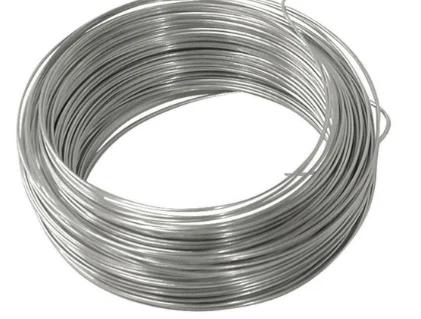
No, nitinol isn't modest, and the expense can shift contingent upon the producer, provider, and different factors like the immaculateness of the material and the particular combination creation. The cost of nitinol is frequently higher than different metals like hardened steel or titanium. Nitinol wire, for instance, currently costs between $6 and $2 per foot on the market, whereas stainless steel wire only costs between $1 and $10 per foot.

Why is nitinol so expensive?
A few variables add to the significant expense of nitinol, including the accompanying:
1. Unrefined substances: Nitinol requires a particular proportion of nickel and titanium, so the accessibility and cost of these metals can impact the cost of nitinol.
2. Fabricating Cycle: Nitinol is made in several stages, including melting, casting, rolling, and heat treating. These stages are complex. The cycle requires specific hardware and ability, which can add to the expense.
3. Control of Quality: Nitinol is frequently utilized in critical applications, such as medical implants, where the material's failure can have significant repercussions. Subsequently, severe quality control measures are vital, which can expand the expense.
4. Innovative work: The advancement of new nitinol composites and applications requires critical innovative work endeavors, which can likewise add to the general expense.
Is nitinol hard to make?
Yes, the unique properties of nitinol make it difficult to make. The interaction includes a few phases, including:
1. Melting: The nickel and titanium are softened together in a vacuum heater to accomplish a particular proportion.
2. Casting: The softened combination is projected into ingots by emptying it into a form. The ingots are then cooled and cleaned.
3. Rolling: The ingots are moved into sheets or wires of the ideal thickness and size.
4. Heat Treating: The sheets or wires are heat treated to accomplish the ideal properties, like shape memory and superelasticity.
Each stage requires particular gear and ability, and disappointment anytime can bring about deformities or irregularities in the end result.
What is the problem with nitinol?
While nitinol has many advantages, it additionally has a few disadvantages that can present difficulties for producers and end-clients. For instance:
1. Handling Troubles: As referenced above, nitinol is trying to fabricate because of its special properties, which can bring about fluctuation in the eventual outcome.
2. Warm Properties: Nitinol's shape memory and superelasticity properties are temperature-subordinate, which can restrict its utilization in high-temperature applications.
3. Consumption Opposition: Nitinol is vulnerable to erosion in specific conditions, which can influence its exhibition and life span.
4. Biocompatibility: While nitinol is many times utilized in clinical applications, a patients might have a hypersensitive response to the material.

how to make nitinol
Typically, the following steps are needed to make nitinol:
1. Melting: In a vacuum furnace, the titanium and nickel are melted together in a certain ratio.
2. Casting: The combination is filled a shape to frame an ingot.
3. Rolling: The ingot is moved into sheets or wires of the ideal thickness and size.
4. Heat Treating: The sheets or wires are heat treated to accomplish the ideal properties.
5. Fabrication: The nitinol sheets or wires can be additionally handled, like cutting, twisting, or framing, to make the end result.
End
All in all, while nitinol isn't modest, its extraordinary properties go with it a well known decision in numerous ventures. Nitinol's high price can be attributed to a number of factors, including the manufacturing process, quality control, and raw materials. Producing nitinol is trying because of its particular properties, which require specific gear and aptitude. Nitinol has some drawbacks, but its advantages outweigh them in many situations. With proceeded with innovative work, nitinol's utilization is probably going to grow from here on out.
References:
1. Solid State Technology, "Nitinol – The smart alloy," available at https://www.electrooptics.com/feature/nitinol-smart-alloy 2 on September 28, 2021. On September 28, 2021, Arthrex's "Nitinol Information" was accessed at https://www.arthrex.com/resources/nitinol-information 3. "Nitiniol Facts," Nitinol Devices & Components, accessed September 28, 2021, at https://nitinol.com/nitino