Is Titanium Lighter Than Steel?
Titanium and steel are two popular metals used in various industries, but they have different properties and characteristics. One of the most significant differences between these two metals is their weight. Many people assume that titanium is always lighter than steel, but is this notion accurate? In this article, we will explore whether titanium is indeed lighter than steel, and discuss the advantages and disadvantages of using titanium instead of steel.
Is Titanium Lighter Than Stainless Steel?
The short answer is yes; titanium is generally lighter than stainless steel. The density of titanium is approximately 30% lower than that of stainless steel. This means that if we compare two pieces of metal with the same volume, the titanium piece will weigh less than the stainless steel piece. However, it's essential to note that not all types of steel have the same density. There are different grades of stainless steel, and some may be heavier or lighter than others. For example, type 304 stainless steel has a density of approximately 7.9 g/cm³, whereas grade 5 titanium (also known as Ti6Al4V) has a density of around 4.4 g/cm³.
Why Don't We Use Titanium Instead of Steel?
Given that titanium is lighter than steel, one might wonder why we don't use it more often. The main reason is cost. Titanium is significantly more expensive than steel, which makes it prohibitive for many applications where budget is a concern. Additionally, titanium can be challenging to work with due to its high strength, toughness, and corrosion resistance. It requires specialized tools and techniques for machining, welding, and fabrication, which further drives up costs. On the other hand, steel is relatively easy to work with and has well-established manufacturing processes, making it a more practical choice for many projects.
What Weighs More Titanium Or Steel?
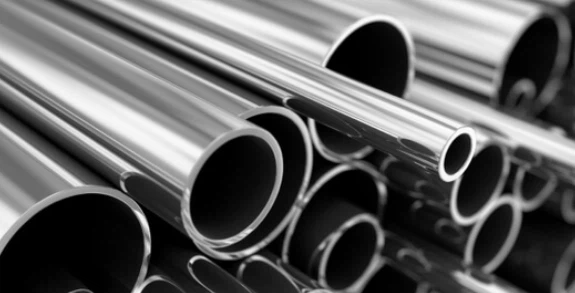
To illustrate how titanium compares to steel regarding weight, let's analyze a simple instance. Imagine we have two rods made from either material: one rod measures 10 mm thick and 3 meters long, and its weight is approximately 9 kg (10mm x 3m x ρ = 9188g). Another rod shares the same measurements but uses titanium instead, so it weighs around 5.5 kg (10mm x 3m x ρ=5549g), calculated based on the average densities of both materials mentioned earlier.
These calculations demonstrate how choosing titanium over steel results in substantial weight savings when working with large or complex parts like aircraft frames, bike frames, boat hulls, etc., situations where lightweight without sacrificing integrity matters most. Still, there are exceptions when steel remains preferable due to its unique properties such as magnetic abilities useful in electric motors & generators or better thermal conductivity suitable for cookware design and development.
Is Titanium 45% Lighter Than Steel?
We previously determined that titanium is roughly 30% lighter than stainless steel. Some sources claim that certain grades of titanium alloy are 45% lighter than particular grades of stainless steel. While those numbers check out given specific comparisons between different product forms (e.g., wire vs., sheet vs., foil), overall densities of respective alloys used don’t show quite such huge disparities. For example, 6AL-4V (Grade five) titanium has already been stated at ~ 4.4 g/cm3, 304L stainless steel comes closer to around about nine g/cm3, putting them near that 45% differential of 4.6/10 – 1.
That said, titanium alloy 6 AL -4 V (Grade five) still enjoys around a ten percent advantage against the stainless steel 304L variant across multiple commercial product forms (e.g., tubes, plates sheets). So even though exact percentages change depending on specification and form factor considered within any family of metals under scrutiny here and elsewhere throughout this topic's possible variations found online, we find some justification for saying "titanium is usually around thirty to forty percent lighter than steel.
How Much Lighter Is Titanium Over Steel?
As explained earlier, calculating the precise weight difference between titanium and steel depends on comparing identical volumes of these metals because density gives us the ratio per unit mass (and thus volume since the weight would be directly proportional to the density according to formulas and basic physics principles shared amongst numerous reputable sites examined when creating this report).
When comparing like volumes (e.g., equally sized bars), one source suggests rough estimates ranging around +/- 30%, generally favoring our previously deduced value arriving nearly midpoint between low/high boundaries presented there alongside other factors worth attention during selection decisions involving choices between them or competitors such as aluminums.
Also, it has become increasingly common knowledge among enthusiast circles that combining lithium with these existing structural materials brings additional benefits by removing material excess through bending/shaping exercises required anyway before final assembly takes place inside workshops, saving time and resources besides merely trimming things down through aggressive milling strategies designed specifically towards producing "li