


Platinized Titanium Anodes for Electroplating
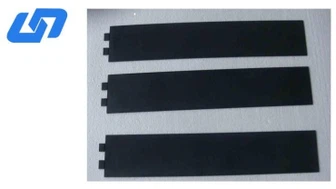
Detail Place of Origin: Shaanxi, China (Mainland) Brand: Changsheng Titanium Anode Model: CS Titanium 32 Application: Industrial Technology: Sandblasting, pickling Rating: Gr1 together with titanium substrate Powder or not: not powder Ti content (%): 99.6% titanium anode Plating: new titanium anode mmo chlor-alkali Anode: plate, rod, net
Product Introduction
High-Performance Insoluble Anodes for Electroplating Systems
Platinized titanium anodes are insoluble electrodes designed for electroplating and other electrochemical processes requiring stable current distribution, high corrosion resistance, and reliable long-term operation.
A typical platinized titanium anode consists of a titanium substrate coated with a thin layer of platinum or a platinum-based active coating. The titanium substrate provides mechanical strength, dimensional stability, and corrosion resistance, while the platinum surface provides excellent electrochemical activity and resistance to many plating-bath environments.
Compared with conventional soluble metal anodes, platinized titanium anodes can help maintain stable electrode dimensions, reduce anode-derived contamination, and provide consistent electrochemical performance.
Changsheng Titanium manufactures platinized titanium anodes in plate, mesh, tube, rod, strip and customized configurations for electroplating and other electrochemical applications.
What Is Electroplating?
Electroplating is an electrochemical process used to deposit a controlled layer of metal onto the surface of a conductive workpiece.
A basic electroplating system includes three essential components:
Electrolyte
Anode
Cathode
During operation, the workpiece normally functions as the cathode. Metal ions in the plating solution are reduced at the cathode surface and form the deposited coating.
The anode completes the electrical circuit and supports the required electrochemical reactions. Therefore, anode material, coating, geometry, current density and operating conditions can directly affect plating stability and process performance.
Structure of a Platinized Titanium Anode
A platinized titanium anode consists primarily of:
1. Titanium Substrate
The substrate is generally manufactured from commercially pure titanium or another suitable titanium grade.
Titanium provides:
Excellent corrosion resistance
High strength-to-weight ratio
Good mechanical strength
Low density
Excellent dimensional stability
Good fabrication flexibility
The substrate can be manufactured in different geometries depending on the electroplating equipment and required current distribution.
2. Platinum Coating
A controlled platinum-based coating is applied to the active surface of the titanium substrate.
The platinum layer provides:
High electrochemical activity
Excellent conductivity
Good resistance to many aggressive electrolytes
Stable electrode performance
Low material consumption compared with solid platinum electrodes
The coating system is selected according to the electrolyte composition, current density, temperature, polarity and required service life.
How Does a Platinized Titanium Anode Work?
During electroplating, direct current is supplied to the electrochemical cell.
The workpiece is connected as the cathode, while the platinized titanium electrode functions as the anode.
The electrochemical reaction at the anode depends on the plating chemistry. In many systems, oxygen evolution or other oxidation reactions occur at the anode surface.
The platinum-coated titanium surface provides an active and corrosion-resistant interface between the electrical circuit and the electrolyte.
The titanium substrate provides structural support without requiring the entire electrode to be manufactured from platinum.
This combination allows a relatively small amount of platinum to be used on a lightweight and dimensionally stable titanium substrate.
Key Advantages
Excellent Corrosion Resistance
Platinized titanium electrodes can withstand many aggressive electroplating environments when the coating system is correctly selected for the electrolyte.
This makes them suitable for demanding plating processes where conventional metal anodes may corrode or introduce unwanted metal ions into the bath.
Stable Electrode Dimensions
Unlike conventional soluble anodes, platinized titanium anodes are designed to maintain their physical dimensions during operation.
This helps provide:
Stable electrode spacing
Consistent current distribution
Predictable plating conditions
Reduced dimensional maintenance
High Electrochemical Activity
Platinum provides excellent catalytic activity for anodic electrochemical reactions.
The active coating allows the electrode to operate efficiently without requiring a solid platinum electrode, significantly reducing the amount of precious metal required.
Reduced Bath Contamination
Because the titanium substrate is protected by the active coating and the electrode is designed as an insoluble anode, there is significantly less anode-derived metal contamination compared with soluble metal anodes.
This can simplify plating-bath control and reduce the need to compensate for dissolved anode metal.
Long Operating Life
A properly designed and operated platinized titanium anode can provide long service life.
Actual service life depends on:
Platinum loading
Coating technology
Current density
Electrolyte composition
Operating temperature
Polarity
Cleaning procedures
Operating cycle
For this reason, anode service life should be evaluated according to the actual operating conditions rather than using a universal lifetime value.
Lightweight and Dimensionally Stable
Titanium has a much lower density than many conventional anode materials.
The titanium substrate provides a lightweight electrode structure while maintaining good mechanical strength and dimensional stability.
This is particularly useful for large-area plating equipment and custom electrode assemblies.
Available Anode Configurations
Changsheng Titanium can manufacture platinized titanium anodes in different geometries.
Titanium Plate Anodes
Suitable for:
Plating tanks
Large-area electrochemical cells
Custom electrode assemblies
Titanium Mesh Anodes
Mesh electrodes provide a large active surface area with efficient electrolyte circulation.
They are suitable for applications requiring high surface-area-to-weight ratios.
Titanium Tube Anodes
Tubular electrodes can be used in specialized plating equipment and applications requiring cylindrical or tubular electrode geometries.
Titanium Rod Anodes
Rod-shaped electrodes are suitable for compact cells, localized plating and customized electrochemical equipment.
Titanium Strip Anodes
Titanium strip electrodes can be arranged in linear or grid configurations according to the plating tank geometry.
Customized Electrodes
Electrode dimensions, mounting structures, connection points and active areas can be manufactured according to customer drawings.
Electroplating Applications
Platinized titanium anodes are used in a variety of electroplating and surface-treatment applications.
Gold Plating
Used in precision plating applications where stable anodic performance and low bath contamination are important.
Typical applications include:
Electronic connectors
Contact components
Jewelry
Precision components
Silver Plating
Silver plating requires high electrical conductivity and controlled plating conditions.
Platinized titanium anodes can be used in suitable silver-plating electrolytes.
Copper Plating
Copper plating is widely used as a functional and intermediate coating.
Applications include:
Electronic components
PCB manufacturing
Connectors
Metal finishing
Nickel Plating
Nickel plating provides corrosion protection, wear resistance and functional surface properties.
Titanium-based insoluble anodes can be used in selected nickel plating systems.
Palladium-Nickel Plating
Platinized titanium anodes can be used in specialized Pd-Ni plating systems for electronic and connector applications.
Other Electrochemical Applications
In addition to electroplating, platinum-coated titanium electrodes can be used in selected electrochemical processes, including:
Electrowinning
Electrochemical oxidation
Metal recovery
Electrochemical synthesis
Water treatment
Electrochemical disinfection
Specialized laboratory electrolysis
The coating composition and electrode configuration should be selected according to the specific electrolyte and electrochemical reaction.
Platinized Titanium vs. Soluble Metal Anodes
| Feature | Platinized Titanium Anode | Conventional Soluble Metal Anode |
|---|---|---|
| Anode Type | Insoluble | Soluble |
| Dimensional Stability | Excellent | Changes during operation |
| Anode Metal Dissolution | Very low compared with soluble anodes | Continuous |
| Bath Contamination | Low anode-derived contamination | Higher potential for metal accumulation |
| Electrode Weight | Lightweight | Generally heavier |
| Maintenance | Relatively low | Requires anode replacement/addition |
| Current Distribution | Stable | Can change as anode dissolves |
| Custom Shapes | Excellent | Depends on material and fabrication |
| Service Life | Application-dependent | Depends on anode consumption |
Platinized Titanium vs. MMO Titanium Anodes
Both platinized titanium and MMO-coated titanium are widely used as insoluble titanium-based anodes. However, the optimum coating depends on the electrochemical reaction and electrolyte.
| Feature | Platinized Titanium | MMO Titanium Anode |
|---|---|---|
| Active Coating | Platinum / Pt-based | Mixed Metal Oxides |
| Typical Active Metals | Pt | Ir, Ru, Ta and combinations |
| Electrochemical Activity | Excellent | Excellent; formulation-dependent |
| Corrosion Resistance | Excellent in suitable electrolytes | Excellent in suitable electrolytes |
| Precious Metal Loading | Pt required | Usually lower-cost oxide system |
| Typical Applications | Electroplating and specialized electrochemistry | Electroplating, water treatment, chlorine generation and other electrochemical processes |
| Coating Selection | Application-specific | Application-specific |
| Cost | Generally higher | Often more economical for suitable applications |
MMO titanium anodes can provide a cost-effective alternative to platinized titanium in applications where their coating chemistry is compatible with the required anodic reaction.
Anode Design and Selection
The performance of a platinized titanium anode depends on more than the titanium substrate and platinum coating.
Before selecting an electrode, the following parameters should be considered:
Electrolyte
Provide the chemical composition and concentration of the plating bath.
Current Density
The required current density has a major influence on coating selection and expected service life.
Operating Temperature
Temperature affects electrochemical reaction rates and coating durability.
Electrode Area
The active surface area should be selected according to the required current and allowable current density.
Electrode Geometry
Plate, mesh, tube, rod and custom structures can be selected according to the plating tank and workpiece configuration.
Polarity
Standard or reverse-polarity operation can significantly affect anode performance and coating life.
Required Service Life
For long-term applications, coating loading and electrode design should be evaluated together with the actual operating conditions.
Manufacturing Process
A typical platinized titanium anode manufacturing process includes:
Titanium Substrate Preparation → Degreasing/Cleaning → Surface Treatment → Coating Preparation → Platinum Deposition → Thermal Treatment if Required → Coating Inspection → Dimensional Inspection → Electrical/Electrochemical Testing → Final Assembly
The exact coating process depends on the electrode design and required performance.
Important manufacturing controls include:
Titanium substrate quality
Surface preparation
Coating adhesion
Platinum loading
Coating uniformity
Active area
Dimensional accuracy
Electrical connection quality
Quality Control
Changsheng Titanium can provide inspection according to the customer's technical requirements.
Typical inspection items include:
Titanium grade verification
Chemical composition
Dimensional inspection
Surface inspection
Coating appearance
Platinum loading verification
Coating adhesion evaluation
Electrical continuity
Active area verification
Electrochemical performance testing where required
For critical applications, customers can provide operating parameters and test requirements so that the anode design and inspection plan can be matched to the application.
Custom Platinized Titanium Anodes
Changsheng Titanium can manufacture platinized titanium electrodes according to customer drawings and electroplating equipment requirements.
Customization includes:
Titanium grade
Anode shape
Plate dimensions
Mesh opening
Tube diameter
Rod diameter
Active area
Platinum coating/loading
Coating composition
Connection method
Mounting structure
Terminal configuration
Cable or connector arrangement
Working current
Current density
Operating temperature
Electrolyte chemistry
For a technical quotation, please provide:
Electrolyte Composition + Current + Current Density + Temperature + Anode Dimensions + Active Area + Quantity + Required Service Life
Packaging and Delivery
Platinized titanium anodes are carefully protected during storage and transportation to prevent mechanical damage to the active coating.
Typical packaging includes:
Individual protective packaging
Anti-collision protection
Protective separators
Export-grade wooden cases
Customized packaging for large or irregular electrodes
The active coating should be protected from impact, abrasion and contamination during installation and transportation.
Frequently Asked Questions
What is a platinized titanium anode?
A platinized titanium anode is an insoluble electrode consisting of a titanium substrate with a platinum-based active coating.
Why is titanium used as the substrate?
Titanium provides a combination of low density, mechanical strength, corrosion resistance and dimensional stability, allowing a thin active coating to be used instead of manufacturing the entire electrode from platinum.
Are platinized titanium anodes suitable for electroplating?
Yes. They are used in selected electroplating applications including gold, silver, copper, nickel and palladium-nickel plating systems.
How long does a platinized titanium anode last?
There is no single service-life value applicable to every application. Service life depends on platinum loading, current density, electrolyte, temperature, polarity and operating conditions.
What is the difference between a platinized titanium anode and an MMO titanium anode?
A platinized titanium anode uses platinum or a platinum-based active coating, while an MMO titanium anode uses mixed metal oxide coatings, commonly based on noble-metal oxides such as iridium, ruthenium or tantalum. The better option depends on the specific electrochemical reaction and electrolyte.
Can the platinum coating be customized?
Yes. Platinum loading, active area and electrode configuration can be designed according to the required operating conditions.
Can you manufacture anodes according to drawings?
Yes. Changsheng Titanium supports OEM and drawing-based production of plate, mesh, tube, rod, strip and other customized titanium anodes.
Hot Tags:
You Might Also Like




Send Inquiry
