


Iridium Oxide Coated Titanium Anodes
Iridium coated titanium anodes(Oxygen evolution titanium anode)
1. Substrate metal: Pure titanium (Gr1)
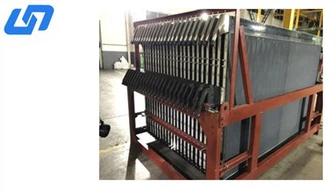
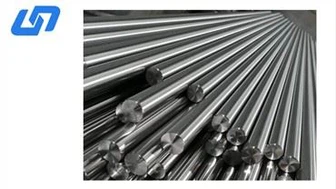
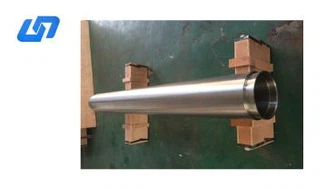
2. Substrate shape:mesh, plate, tube, rod and wire
3. Size and structure: Customized according to customer requirements
4. Sintered layer thickness:3- 30 μm /Plating metal:Ir+Ta+(also called Ir/Ta coated titanium anode)
5. Working current:<15000A/m2
6. PH value:0 – 14
7. Plating temperature:<75 °C
Product Introduction
Product Overview
Iridium oxide coated titanium anodes are dimensionally stable anodes (DSA) designed for high-performance electrochemical applications requiring:
High durability
Strong corrosion resistance
Stable electrochemical catalytic activity
Long service life
The electrode is composed of a pure titanium substrate (Gr1) coated with a mixed metal oxide catalytic layer containing:
Iridium oxide (IrO₂)
Tantalum oxide (Ta₂O₅)
This coating forms a highly stable electrochemical surface suitable for operation in harsh chemical environments, including strong acids and alkalis.
Product Structure
Substrate Material
Pure Titanium (ASTM Grade 1)
Electrode Shapes
Mesh
Plate
Tube
Rod
Wire
(Customized geometries available according to customer system design.)
Coating Structure
Sintered oxide layer thickness: 3 – 30 μm
Coating composition:
Ir + Ta mixed oxide system
Operating Parameters
Working Current Density: ≤ 15000 A/m²
pH Range: 0 – 14
Coating Processing Temperature: < 75°C
Electrochemical Properties
Coating resistivity: ~10⁻⁷ Ω·m
Low polarization resistance
Excellent catalytic oxygen evolution performance
The catalytic coating prevents titanium substrate passivation or corrosion damage.
Service Life
Under standard conditions:
| Application | Service Life |
|---|---|
| Groundbed cathodic protection | ≥ 20 years |
| Seawater or soil environment | ≥ 20 years |
| Current density 100 A/m² | Consumption rate ~0.1 mg/A·year |
High-performance durability is maintained even under current densities up to 5000 A/m².
Advantages
Extremely strong corrosion resistance
High catalytic oxygen evolution efficiency
Low electrode potential
Long operational lifespan
Low precious metal consumption
Low maintenance cost
Stable electrochemical performance
Compared with platinum electrodes, Ir/Ta coatings provide similar electrochemical performance at significantly lower cost.
Application Industries
Water Treatment & Environmental Engineering
Wastewater oxidation treatment
Cyanide destruction
Organic pollutant degradation
Hospital wastewater disinfection
Chemical Industry
Chlor-alkali production
Chlorine and caustic soda electrolysis
Organic chemical synthesis
Hydrometallurgy
Electrolytic recovery of metals:
Cobalt
Nickel
Copper
Chromium oxidation processes
Cathodic Protection Systems
Seawater protection systems
Soil buried pipeline protection
Marine structure protection
Special Chemical Applications
Iridium-based electrodes are especially suitable for:
Electrolysis of organic compounds:
Cysteine
Glyoxylic acid
Succinic acid
Indirect oxidation reactions
Heavy metal ion oxidation:
Cr³⁺ → Cr⁶⁺ conversion
CN⁻ oxidation removal
Industrial Advantages
Excellent performance in acidic oxygen evolution environments
Suitable for seawater, freshwater, and soil electrochemical systems
High current efficiency
Very low electrode consumption rate
Stable potential control
Manufacturing Technology
Advanced surface preparation processes include:
Sandblasting
Acid etching
Thermal catalytic coating sintering
Ensures strong bonding between coating and titanium substrate.
Application Value
Iridium–tantalum titanium anodes are considered one of the most promising auxiliary electrode materials for modern electrochemical engineering due to their:
Long life cycle
High catalytic efficiency
Excellent cost-performance ratio
Hot Tags:
You Might Also Like



Send Inquiry
